

Skilled Vietnamese Workers in Food Processing: Supporting Europe’s Supply Chain
Date Submitted: 19/03/2026
Author: trienkhaiweb
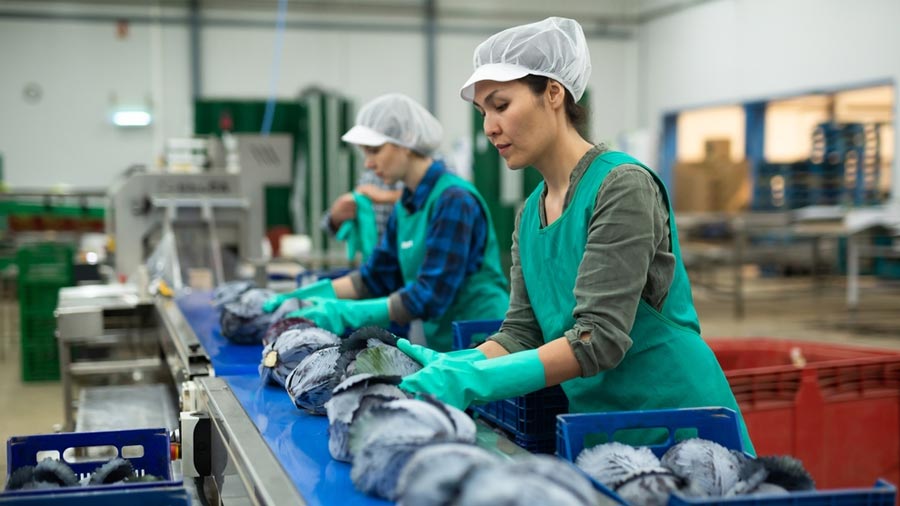
The food processing industry in Europe is facing a significant labor shortage that threatens supply chain stability. As demand for processed food continues to rise, companies are struggling to maintain production levels due to a lack of skilled workers. Vietnam manpower is emerging as a reliable solution, offering experienced workers who can meet the industry’s needs.
Growing Demand in Food Processing
Europe’s food processing sector is one of the largest industries in the region, covering meat processing, seafood production, dairy, and packaged foods. The increasing demand for convenience foods and exports has created a constant need for labor.
However, many European workers are moving away from physically demanding jobs in factories. This has resulted in a labor gap that cannot be filled locally. As a result, companies are turning to international recruitment to sustain their operations.
Experience and Skills of Vietnamese Workers
Vietnamese workers bring valuable experience from their home country, where food processing is a major industry. Vietnam is one of the world’s leading exporters of seafood and agricultural products, giving workers hands-on experience in processing, packaging, and quality control.
Workers are also trained in hygiene standards and food safety regulations. Many are familiar with international systems such as HACCP, ensuring they can quickly adapt to European requirements. Their attention to detail and commitment to quality make them ideal for roles in food production.
Benefits for European Employers
Hiring Vietnam manpower offers several advantages for European companies. First, it ensures a stable workforce that can maintain production efficiency. Second, Vietnamese workers are known for their reliability and willingness to work flexible hours, which is crucial in the food processing industry.
Cost efficiency is another important factor. Recruiting from Vietnam allows companies to manage labor costs while maintaining high productivity levels. This is especially important in a competitive global market.
Opportunities for Vietnamese Workers
For Vietnamese workers, employment in Europe offers significant benefits. Higher wages, improved working conditions, and opportunities for skill development make overseas jobs highly attractive. Workers can also gain international experience, which enhances their career prospects.
Training programs in Vietnam are preparing workers for these opportunities by focusing on technical skills, language training, and cultural awareness. This ensures a smooth transition into European workplaces.
Conclusion
Vietnam manpower is playing a crucial role in supporting Europe’s food processing industry. By providing skilled and reliable workers, Vietnam helps maintain supply chain stability and production efficiency. As demand continues to grow, this partnership will become even more important in the future.
Related articles

A Guide to Hire Vietnamese Workers for Europe
Europe has faced a growing demand for labor across various industries, from construction to manufacturing, healthcare, and agriculture. The shortage of skilled workers in many European countries has prompted businesses to look abroad for talent. Among the most sought-after labor forces is Vietnam. Known for its high-quality, cost-effective, and skilled workforce, Vietnam has become a…
Europe: Which country is most advantageous for Vietnamese workers?
A newly published report shows significant differences in labor costs among EU countries—an important factor that directly affects the income and living conditions of Vietnamese workers in Europe. Germany leads in income, but living costs are also high. According to a report released by the German Federal Statistical Office (Destatis), labor costs—including wages, social insurance,…

Portugal Tightens Migration Rules: A Challenge for Many, but a Strategic Advantage for TAK Manpower
Portugal has approved a bill to tighten migration rules, including longer detention and faster deportations. The proposal by Prime Minister Luís Montenegro’s government now goes to parliament, where it may depend on far-right support to be voted through. The Portuguese government approved new legislation on Thursday (March 19) aimed at strengthening its ability to remove…
Preparing Workforce For Europe Market
Europe is currently facing a workforce crisis that is affecting multiple industries. Labor shortages in food processing, construction, and metalwork are becoming increasingly severe. Vietnam manpower is emerging as a key solution to address this issue. The primary cause of this shortage is demographic change. With an aging population and fewer young workers entering the…
Skilled Vietnamese Workers in Food Processing
The food processing industry in Europe is facing a significant labor shortage that threatens supply chain stability. As demand for processed food continues to rise, companies are struggling to maintain production levels due to a lack of skilled workers. Vietnam manpower is emerging as a reliable solution, offering experienced workers who can meet the industry’s…

The process for going to work in Japan consists of 8 steps.
When participating in the Japanese labor export program, we need to follow the basic steps in the 8-step process below. Step 1: Candidate Preliminary Selection The candidate preliminary selection process will help choose candidates who meet the eligibility requirements for working in Japan. Step 2: Health Examination Once all initial selection requirements are met, workers…